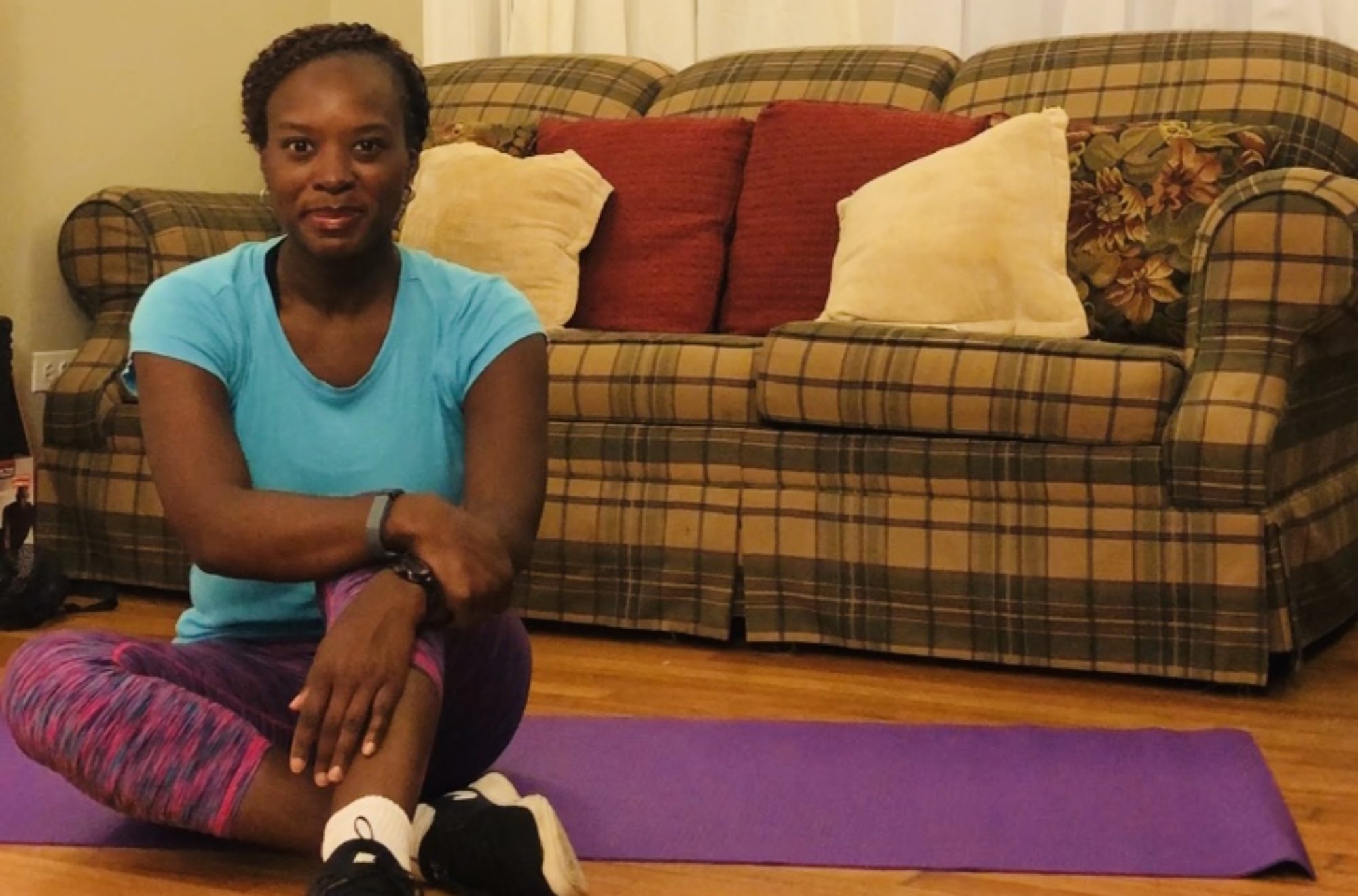
3 Reasons to Do Low-Impact Exercises

There aren’t too many fitness professionals out there advocating low-impact exercises. In the age of cross-fit and HIIT, some think that the more intense the work out the better. I don’t believe that. In fact, I encourage people to engage in low-impact exercises.

What are low-impact exercises?

Low-impact exercises include any form of physical activity that has a “low-impact” on your joints. Exercises like walking, bike riding, swimming, and yoga. It’s even possible to convert a number of high-impact exercises, like jumping jacks, to low-impact exercises.

There are four distinct reasons people may want (or need) to consider low-impact exercises.

Reason #1: Change Things Up

The human body is completely adaptable. Your workout starts to seem ineffective if you always to do the same thing. However, incorporating some low-impact moves can help get things going again.

Reason #2: Increase Intensity and Preserve Your Joints

Some people are convinced that you can’t get a good workout with low-impact exercises. That’s not true. In reality, you can have super intense low-impact workouts that produce more sweat than some high-impact workouts. How? If your high impact workout, requires a great deal of jumping, you can only jump for so long. Your knees and ankles will eventually need a break from all the pressures. However, switching to a low impact form of the same exercises will enable to have longer more intense sessions because your joints won’t suffer.

Reason #3: Build Strength and Endurance

If you’re just starting out on your fitness journey, you might not be in the best shape right now. You may even have a significant amount of weight to lose right now. The idea of doing plank jacks, burpees and high knees probably sounds a bit intimidating or even painful. Starting out with low-impact exercises allows you to gain strength and see just how far you can grow in your fitness. When you’re ready, you can switch out some low-impact exercises with their high-impact counterpart and see how you feel.

Reason #4: Injury Recovery or Limited Mobility

Every exercise isn’t for every body. In other words, we all have physical limitations. There are things some people simply can’t do as a result of limited mobility and former injury. Someone who blew out their knee playing college football, might not be able to perform jump squats. The person who had shoulder surgery won’t be able to do push-ups or planks. Even so, there are low-impact versions of exercises individuals can do that will help them reach their fitness goals.


Hopping on the Scale! Don’t forget to hop on the scale and see where you are this week. Remember: if you were able to maintain and not gain, that’s still a win!


Follow Get Fit with Charity on FacebookPinterest and Instagram!

Benefits of Bodyweight Training

As you may know, I’m a huge fan of Body Weight Training! I know that I said that before, and I’m sure that I’ll say it again. Here are 3 incredible benefits of bodyweight training.

#1: Affordability

Bodyweight training is extremely affordable! Why? You always carry everything you need for every workout. There’s no need to invest in a home gym. You won’t need any weights or fancy equipment. All you need…is you!

#2: Accessibility

You can workout any time and anywhere! You can perform bodyweight exercises at your desk, in your living room, in a hotel room or in your back yard. Instead of waiting for the gym to open, you can work out first thing in the morning!

#3: Adaptability

When you’re performing bodyweight exercises, you’re not stuck. You don’t have to do a particular exercise a certain way. There are tons of options for nearly every type of bodyweight exercises. Take jumping jacks, for instance. If you have mobility issues or prefer low-impact exercises, you can do one-legged jumping jacks. On the other hand, if you want to up the intensity, you can alternate jumping jacks with stars jumps.

Summing it all up…

There are far more than three benefits of bodyweight training. However, I wanted to showcase the three benefits that are most applicable for getting fit at home.


Hopping on the Scale! Don’t forget to hop on the scale and see where you are this week. Remember: if you were able to maintain and not gain, that’s still a win!


Follow Get Fit with Charity on FacebookPinterest and Instagram!

Meal Prep vs Meal Planning

Meal prep vs Meal planning. What in the world do either of them have to do with getting fit?!?!?

In a word: everything!

Eating properly is crucial if we intend to be successful in our fitness journeys. But eating properly is time-consuming.  Despite that fact, we still do our best to eat healthily. We head to the grocery store and buy fresh fruits and vegetables, lean meats, and whole grains. But we still don’t eat differently. Why? Because either there’s no plan or we didn’t prepare anything.

Incorporating meal planning and meal prep into your daily schedule will allow you to revolutionize your eating habits. But a lot of people tend to ask, “Which one should I do? What’s right for me: Meal Planning or Meal Prep? What’s the difference?”

We’ll tackle all of that today.

What is Meal Planning?

Meal planning is simply planning what you’re going to eat during a specific amount of time. This could be done for a family or an individual. 

The benefits of meal planning are that it decreases the chances of overeating because you can log your meals into your calorie count as you plan them so that you know precisely where are you are on a given day. 

The drawback is that some people think it is too restrictive, but it’s not. Nothing is set in stone. As long as you switch foods with similar calorie counts you’ll be perfectly fine. Especially if you maintain the nutritional content. 

What is Meal Prep?

Meal prep is simply preparing your meals in advance. It could occur in different forms. 

  • You could actually take one day a week as a single person to cook large meals. Then place those meals in food storage containers. You’ll have lunch and dinner prepared for the remainder of the week. 
  • You could prep ingredients for different meals. Suppose you want to eat a fresh veggie salad for dinner every day. However, you have no interest in chopping up vegetables before work each morning. You could take one day to chop all of your vegetables. Then place them in individual airtight containers in the fridge. When it’s time for you to assemble the salad, just take out those containers. 
  • You could take some time on Sunday afternoon to assemble a week’s worth of breakfast and lunch for the members of your household. Simply make sure that everything is clearly labeled so picky eaters and folks with food sensitivities don’t get the wrong lunch.

The benefits are that it saves a great deal of time. Plus it helps you maintain proper eating habits by allowing you to control your portions. 

A major drawback is that it can be very time-consuming.

Which Works Best?

Here’s where we tackle the question of Meal prep vs Meal planning.

There are those who think meal planning is the way to go. They’re the type of people who feel that a solid plan is all they need to be successful.

Other all but swear by meal prep. They consider it a lifesaver and feel that they lead much more productive lives because of it. 

I firmly believe that meal prep and meal planning work best in concert with one another. Both are essential for your fitness journey. In fact, they are opposite sides of the same coin. Ideally, one would plan the meals and snacks prior to preparing those meals and snacks.

Prepping meals without planning when those meals will be consumed results in a lot of wasted food. You know what you’re going to eat, but you just don’t know when. As a result, you forget the food is in the fridge, and it just ends up getting tossed. 

Planning meals without prepping means you’ll be spending a whole lot of time in the kitchen. That may be okay for some folks, but I don’t have that kind of time.

Next Steps

If this is new to you, it might be a little intimidating. The idea of sitting down and organizing what are you going to eat and when you’re going to eat it can be very overwhelming, but that’s why I’m here. I have created some amazing free resources to help you get this all figured. I’ll walk you through that next week!


Hopping on the Scale! 

Don’t forget to hop on the scale and see where you are this week. Remember: if you were able to maintain and not gain, that’s still a win!


Follow Get Fit with Charity on FacebookPinterest and Instagram!

Reasons You’re Not Losing Weight

Four Reasons You’re Not Losing Weight

Weight loss! It’s one of the many positive side effects of getting fit. However, you may get to a point where you’re doing everything you know to do, but the scale never changes. If you’re facing that right now, please know that there are specific reasons you’re not losing weight.

For several weeks, I’ve hopped on the scale every Wednesday, and I can honestly say that the numbers on the scale have been consistently inconsistent. Sometimes the number goes down by two pounds one week, but the next week it goes up by 1.5 pounds. Since I’ve also been counting my calories, monitoring my water consumption and tracking my exercise, I’ve noticed some interesting trends.

I’ve come to realize there are four distinct reasons why my weight fluctuates from week to week. Because you’re on this fitness journey with me, I’ve decided to weigh in on why we’re not losing weight.

Reason #1: You’re Not Eating Enough

Logically speaking, if you want to lose weight you should eat less, but when it comes to the human body nothing is logical. Calories are energy, and we all need a basic amount of energy to simply get going. Though it may sound hard to believe, not eating enough can actually cause you to gain weight. You can’t run on empty; no one can. If you consistently consume fewer calories than your body needs, it will simply “hold on” to what you’ve eaten, storing it for later because it’s not sure when the next round of energy (meal) is coming.

The amount of calories you need to consume depends on how much you weigh and how active you are. In short, the more active you are, the more you’ll need to eat. Healthline.com has a Calorie Calculator  that will show you how many calories you should consume on a daily basis to maintain your weight, to lose weight, or to lose weight fast. However, it’s important to note that all calories aren’t created equally.

Reason #2: You’re Not Eating The Right Foods

You know that you’re consuming the proper amount of calories, but you’re still not losing any weight. Maybe it’s time to look at what you’re eating. What you’re eating is another factor that comes into play where weight loss is concerned. Suppose you wanted to consume 300 calories for breakfast. You could have (Option A) one scrambled egg and a cup of rice, (Option B) one glazed doughnut, or (Option C) a vegan omelette with a side of berries.

Certain foods such as raw fruits and vegetables help expel waste from your body. The more of those foods you eat, the more you’ll be able to lose unnecessary waste in your body.

Reason #3: You’re Not Drinking Enough Water

You may have heard that water flushes out impurities. That means water helps eliminate toxins from your system, toxins that could be causing you to hang on to extra weight.

If you’ve ever attempted to drink the recommended amount of water for your weight, you’ve probably wondered about a few things. Like why you have to pee ALL the time, why your pee super dark, or why it smells, it’s because of the impurities or toxins that are in your system. If you stick with it, you’ll notice that you will have to use the restroom less and your urine will become more clear. The more clear your urine is, the least toxic it is.

Did you know that water can serve as a natural appetite suppressant? Drinking water before a meal causes you to feel somewhat full prior to taking your first bite. If you sip water between bites during a meal you will end up eating less. In both cases, the end result of drinking more water would be weight loss.

Reason #4: You’re Exercising Enough

You may already know that there are some amazing things that happen when you exercise: your metabolism increases, you burn calories and your bowels are stimulated. All three of those amazing things provide solid proof that exercise is the most effective avenue for losing weight.

Even so, there are times when you getting your workout in every day and working up a good sweat, but nothing is happening in terms of weight loss.

During those times, it is imperative to reassess your exercise regime. If all you do is cardio, it might be time to do some strength training. If you take a thirty-minute walk every day, it might be time to up the ante by transforming that walk to a jog. Making even a very subtle change to your workout schedule can result in a couple lost pounds in one week.

What now?

If any or all of those reasons you’re not losing weight resonate you’re probably thinking, “What in the world am I supposed to do now!?!?!”

My free email course, 5 Steps to Creating a Healthy Habit will lead you through everything you need to do.


Hopping on the Scale!

Don’t forget to hop on the scale and see where you are this week. Remember: if you were able to maintain and not gain, that’s still a win!


Follow Get Fit with Charity on FacebookPinterest and Instagram!

How to Know You’re Fit

How to Know You’re Fit: Five Ways

Since I keep asking people to get fit with me, and many have joined me on this fitness journey, I figured it’s time for me to weigh in on what “fitness” means and identify how to know you’re fit.

Fitness can be defined as “the condition of being physically fit and healthy”. However, that definition does very little to help you understand what fitness truly means because both “physically fit” and “healthy” could mean totally different things to different people.

To make sure we’re on the same page, the Get Fit with Charity definition of fitness is:

being in good athletic condition;
being physically, mentally and emotionally strong;
being relatively free from injury and illness

There are tons of ways to determine if you’re fit, but I’ll weigh in on five of them…the last one will probably surprise you!

#1: You embody the components of fitness

There are five main components of fitness:

  • Cardiovascular Endurance – exercises like running, swimming, dance fitness, etc.
  • Muscular Strength – how much weight a person can lift or carry
  • Muscular Endurance (i.e. how long [in repetitions or time] a person can sustain an exercise involving specific muscle groups,
  • Flexibility (i.e. the range of motion of a person’s joints)  and
  • Body Composition (i.e. the amount of fat vs. muscle that a person’s body has.)

You know that you’re fit when you notice improvements in any of those areas. Perhaps you notice that you’re not breathing heavily after a brisk thirty-minute walk. Maybe you’re able to move a forty-pound box from the floor to the table with no problem. It’s possible that you can reach down and touch your toes for the first time in five years or you’re able to hold a forearm plank for nearly a minute. It’s possible that some of your favorite clothes are a bit loose on you because your body has gone through some positive changes.

#2: You look forward to your workout

I’m sure you remember what it was like before you started your fitness journey. “Working out” wasn’t part of your vocabulary. You didn’t care to spend your free time getting sweaty, but things have changed. Now you’re excited about taking that walk, going for a swim, or heading to your fitness class. You know that there may be a little discomfort, and there are TONS of other things you could be doing right now. You’re exercising for you. When your workout becomes your happy place, you know you’re fit.

#3: You have more energy

Energy produces energy! In other words, incorporating more movement into your day and working out more gives you increased stamina. You might still get a little tired at work between 2:00 pm and 4:00 pm, but you won’t wake up tired. You might even start replacing that morning cup of coffee with a morning run because you realize the run actually clears your head and prepares you to face the day at work. When you no longer wake tired and you feel more energized than you’ve felt in a good long while, you know that you’re fit.

#4: You’re more cognizant of what (and when) you eat or drink

Something pretty amazing is going to happen to you as you’re trucking along on this fitness journey. You’re going to be more mindful of what you eat and what you drink. That’s a sure sign that you’re fit because non-fit people typically don’t take their food and beverage choices into consideration. When you decide to avoid consuming a particular drink because you’ve realized that it zaps your energy or you make a different meal choice because you want something that’s both filling and healthy, it’s pretty safe to say that you’re fit!

#5: You realize that you’ll never arrive

As strange as it sounds, you know that you’re truly fit when you realize that fitness isn’t a destination. It’s a journey. Our lives are similar to the ocean. There’s high tide (i.e. time when we’re in the best athletic condition), and there’s low tide (i.e. times when we’re emotionally week). Then there’s the occasional squall, like when an illness or injury comes out of nowhere and sidelines us for a bit. Being fit means that you understand that you will never arrive at a state of ultimate fitness. You will ever and always strive to be the most fit you that you can be.

Putting It All Together

It’s crucial for me to stress that this information on how to know you’re fit should be seen as building blocks or sequential steps. You don’t have to master one area and then move on to another area; each area can stand on its own. Although these indicators are connected, they aren’t interrelated in the sense that it’s all or nothing. You can have success in all five areas at the same time or you can shine in a few areas.


Hopping on the Scale! Don’t forget to hop on the scale and see where you are this week. Remember: if you were able to maintain and not gain, that’s still a win!


Follow Get Fit with Charity on FacebookPinterest and Instagram!

Four Benefits of Tabata Training

4 Undeniable Benefits of Tabata Training

If you’ve been checking in for the past few weeks you know that I’m a huge fan of both Body Weight Training and Tabata Training. I almost got a bit carried away last week and went into information overload. Then something occurred to me! I could continue that conversation by weighing in on the benefits of Tabata Training.

Although there are countless benefits of Tabata Training, I will only focus on four that simply cannot be denied.

Benefit #1: Improves Aerobic and the Anaerobic Energy Systems

Aerobic means “with oxygen”. The aerobic energy system requires blood or oxygen to operate. Aerobic exercises are typically continuous, repetitive movements that greatly benefit the heart.

Anaerobic means “without oxygen”. The anaerobic energy system doesn’t require blood or oxygen to operate. Anaerobic exercise typically includes intense physical activity, and usually can’t be done for a long period of time.

Tabata Training allows you to activate both systems simultaneously so that you improve both your endurance level as well as build muscle.

Benefit #2: Easy to Customize Workouts

One Tabata round is four minutes long. It consists of eight 20-second rounds that are each followed by a ten-second rest period. You can do one exercise for all 8-rounds. Or you could do four rounds of two different exercises. You could even opt for two rounds of four different exercises…it’s all up to you.

Tabata workouts are extremely easy to customize. If you know you’re only going to have to exercise for 20 seconds, that really opens up tons of possibilities. You can include exercises that you either don’t like or you can’t do for a long period of time.

Benefit #3: Experience “After Burn”

Like other forms of high-intensity interval training, Tabata Training works on the theory of EPOC (excess post oxygen consumption). In other words, once the workout is complete, your body still continues to burn calories.

Admittedly, it’s a bit more technical and scientific than that. However, to help put this in perspective, other forms of exercise don’t work that way.

When you’re done running, you stop burning calories. The same goes for swimming and other forms of cardio (aerobic) based exercise form.

Since Tabata Training activates both the anaerobic and aerobic systems, it allows the body to respond differently to exercise.

Benefit #4: Burn Tons of Calories

The average person burns about 100 calories per mile, so if someone were to run for 20 minutes, they could burn up to 200 calories, provided that they were able to run ten-minute miles. However, that same person could burn about 15 calories per minute when participating in a Tabata Training workout.

In other words, a twenty-minute Tabata Training workout could allow someone to burn 300 calories during that workout out. T

he key to burning more calories lies in the intensity of your workout, so be sure to give your all during the twenty-second exercise round, so you can burn the most calories possible.


Talk is Cheap

You’ll be able to find several Tabata style workout video on the Get Fit with Charity YouTube Channel. I want you to experience the benefits of Tabata training first hand.

I can’t wait to start working out with you!


Hopping on the Scale! Don’t forget to hop on the scale and see where you are this week. Remember: if you were able to maintain and not gain, that’s still a win!


Follow Get Fit with Charity on FacebookPinterest and Instagram!